


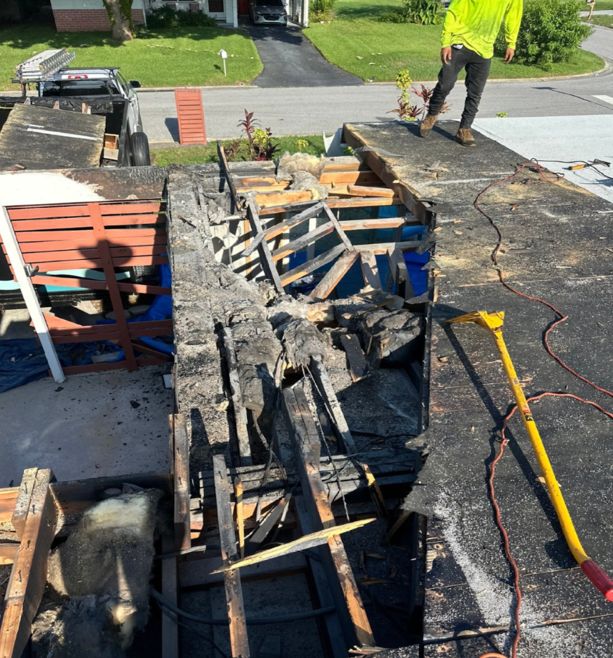
Florida’s sunshine, humidity, heavy rainfall, and powerful storms place constant demands on asphalt shingle roofs. Although these roofs can provide reliable protection when properly installed and maintained, local weather conditions can influence how quickly roofing materials age.
Understanding how Florida’s climate affects shingles can help homeowners recognize potential problems early and make informed decisions about maintenance and replacement.
Intense Sunlight and Heat
Long periods of sunlight expose shingles to ultraviolet radiation, while high temperatures add thermal stress. Over time, these conditions can contribute to changes in roofing materials, potentially affecting their flexibility and resistance to weather-related damage.
Repeated heating and cooling can also contribute to gradual weathering. As shingles age, they may become less capable of withstanding the forces associated with severe weather.
Sun exposure can vary across different sections of a roof, so some areas may deteriorate faster than others. A roof’s appearance alone may not reveal every underlying weakness, which is why periodic professional inspections can be useful.
Heavy Rain and Persistent Moisture
Asphalt shingles are designed to shed rain, but they are only one component of a complete roofing system. Underlayment, flashing, ventilation, and properly sealed connections all play important roles in protecting the roof deck from moisture.
Florida’s frequent downpours can expose weaknesses around roof penetrations, valleys, flashing, and damaged shingles. Proper installation of these areas is particularly important for limiting water intrusion.
A leak does not necessarily mean that the entire roof has failed. However, delaying repairs can allow a localized problem to affect underlying materials and potentially increase the scope of the necessary repair.
Hurricanes and Strong Winds
Strong winds can lift, loosen, or tear shingles, particularly when fastening or sealing is inadequate. Once the roof covering is damaged, wind-driven rain can enter vulnerable areas and contribute to additional problems.
Shingle selection, nail placement, sealing, and installation practices can all influence wind resistance. Even roofing products designed for high-wind conditions need to be installed correctly to perform as intended.
Storm damage can also shorten a roof’s useful life before gradual aging would otherwise require replacement. After a significant storm, homeowners should look for visible damage and consider having the roof professionally inspected.
Maintenance and Replacement Planning
Florida homeowners should avoid treating a stated warranty period as a guaranteed replacement timeline. Actual roof lifespan depends on several factors, including material quality, installation, maintenance, sun exposure, moisture, and storm history.
Keeping gutters clear, addressing leaks promptly, and arranging inspections after significant storms can help homeowners identify problems before they become more extensive. Signs such as missing shingles, curling edges, damaged flashing, granule loss, or recurring interior water stains warrant professional evaluation.
These signs do not automatically mean the entire roof needs replacement. A professional assessment can help determine whether a repair, maintenance, or complete replacement is appropriate.
Planning around the roof’s actual condition gives homeowners a more useful picture of remaining service life than relying on age alone.
For homeowners looking for roofing services in Tampa, Florida, Coastal Brothers Roofing is a local option to consider. The family-owned roofing company provides roof installation, re-roofing, repairs, and other roofing services designed for Florida properties, including shingle, tile, metal, and low-slope roofing systems.
Coastal Brothers Roofing also provides services such as gutter, soffit, fascia, and emergency tarping. Homeowners dealing with storm damage or evaluating an aging roof can have the property professionally assessed to determine the most appropriate next step.